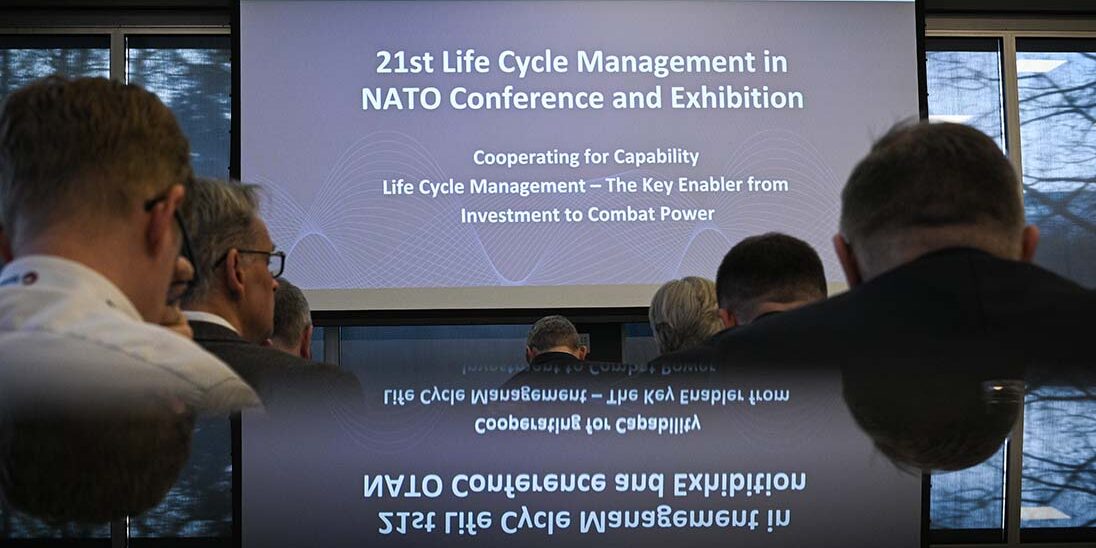
The first day of the 21st NATO Life Cycle Management Conference in Brussels was very well received by participants. It was appreciated to have a format that brought the communities together. In contrast to former years, a lot of new faces testify to the relevance of the topic and the format.
After the opening by the conference chairs, Gizem Özkan, chair of AC/327, informed the community about the structure, mission and latest information, including the relevant topics the group is working on. In short, NATO standardisation is perceived as an enabler of collaboration and interoperability. In addition, the wide range of standards enables the group to provide tailored solutions that support collaboration among the respective communities. Manuela Tudosia, chair of NIAG’s industrial interface group to AC/327 explained how industry experts can become involved in NATO standardisation.
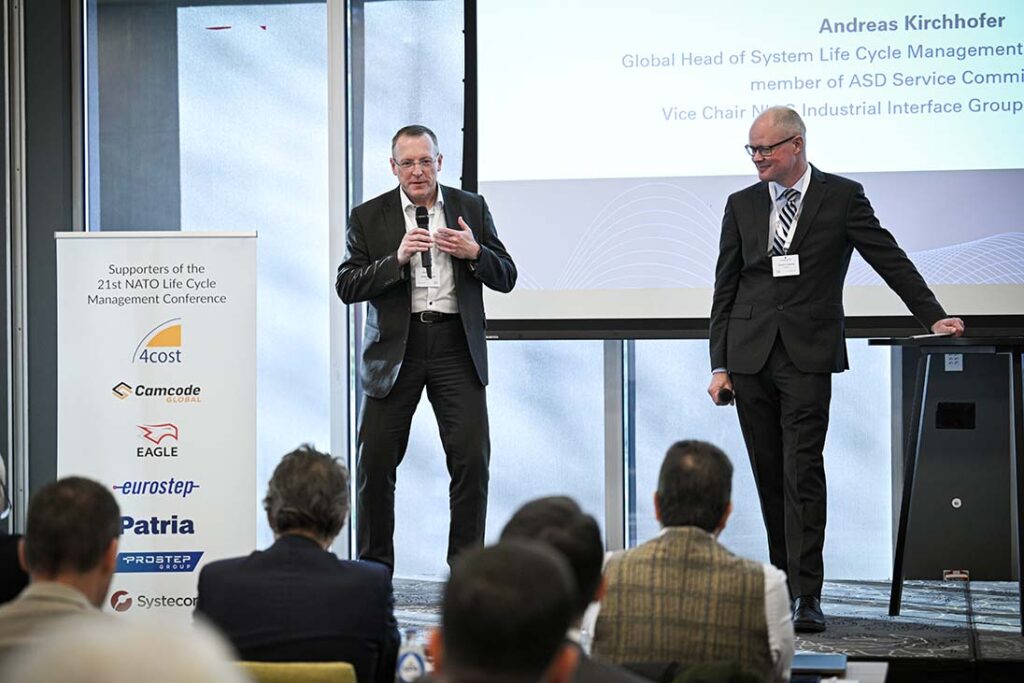
Brüssel, 20.01.2026, 21st NATO LCM Conference – Life Cycle Management in NATO. Foto: Mittler Report Verlag / picture alliance / Socrates Tassos
NCIA’s Massimiliano Filippi provided insight to inherent and operational availability, the requirements to achieve this, and its consequences. Building on overarching concepts and requirements, he expanded the discussion to the specific challenges of COTS-intensive systems and NCIA’s approach to addressing them.
The data management and analysis session consisted of three presentations, beginning with Deloitte’s James Wood and Mark Gaunt on Digital Enablement of Collaborative Life Cycle Management. They discussed three models of data exchange and collaboration that exist within a project. Simon Pettersson of Eurostep presented a software solution for data exchange purposes. Fraunhofer’s Dr. Martin Kröll shared technical, sensor-based approaches from the Automotive industry and shared topics such as sensor fusion, etc.
A very vivid round-table discussion concluded that numerous problems related to interaction between stakeholders stem from a lack of sensible, acceptable standardisation. This is exactly where NATO’s Life Cycle Management group can offer proven, relevant approaches and tools.
![[Mittler Report Verlag / picture alliance / Socrates Tassos]](https://magazine-the-european.com/wp-content/uploads/2026/01/1Artikelfoto-Opt-2-Kopie-1024x681.jpg)
Brüssel, 20.01.2026, 21st NATO LCM Conference – Life Cycle Management in NATO. Foto: Mittler Report Verlag / picture alliance / Socrates Tassos
The second round-table discussion concluded that for every system, it has to begin with a sound analysis of the operational environment, in order to derive requirements and a CONOPS that should form the basis for a thorough integrated analysis, as defined in ALP-10. A sound systems-based approach, a re-use strategy based on a standardised, flexible, integrated environment is the key to success. In short: “Doing the right things at the right time.”
-
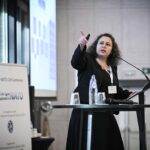
- Brüssel, 20.01.2026, 21st NATO LCM Conference – Life Cycle Management in NATO. Foto: Mittler Report Verlag / picture alliance / Socrates Tassos
-
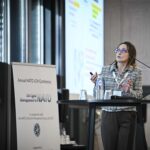
- Brüssel, 20.01.2026, 21st NATO LCM Conference – Life Cycle Management in NATO. Foto: Mittler Report Verlag / picture alliance / Socrates Tassos
-

- Brüssel, 20.01.2026, 21st NATO LCM Conference – Life Cycle Management in NATO. Foto: Mittler Report Verlag / picture alliance / Socrates Tassos
-

- Brüssel, 20.01.2026, 21st NATO LCM Conference – Life Cycle Management in NATO. Foto: Mittler Report Verlag / picture alliance / Socrates Tassos
The participants appreciated the possibilities to exchange ideas and experiences at the cocktail and the dinner. A great first day.
Renate Herrmanns